What is Montessori? It’s a question parents ask when they want more than traditional education for their children. Montessori is an educational method that puts children at the center of their own learning. Dr. Maria Montessori developed this approach over a century ago, and it continues to shape how millions of students learn today.
This guide explains the Montessori method from its origins to its modern application. Parents, educators, and curious readers will discover what makes Montessori different, how classrooms function, and why this approach produces confident, independent learners.
Table of Contents
ToggleKey Takeaways
- Montessori is a child-centered educational method developed by Dr. Maria Montessori in 1907 that encourages children to learn through hands-on experience and self-directed activity.
- Core Montessori principles include child-led learning, mixed-age classrooms, hands-on materials, and uninterrupted work periods that foster deep concentration.
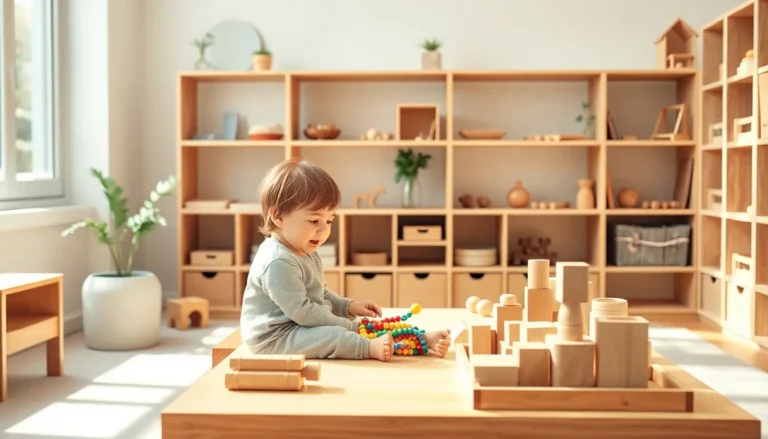
- Montessori classrooms feature child-sized furniture, organized learning materials, and prepared environments designed to promote independence and self-reliance.
- Research shows Montessori students often outperform peers in reading, math, and executive function skills while developing strong self-regulation abilities.
- The Montessori approach cultivates intrinsic motivation, creativity, and critical thinking—teaching children how to learn, not just what to learn.
The Origins and Philosophy of Montessori Education
Dr. Maria Montessori was an Italian physician who changed education forever. In 1907, she opened her first classroom, Casa dei Bambini (Children’s House), in Rome. She worked with children from low-income families and noticed something remarkable: when given the right environment, children taught themselves.
Montessori education stems from a simple but powerful idea. Children possess a natural desire to learn. Traditional education often treats students as empty containers waiting to be filled with knowledge. Montessori flips this assumption. It views children as active participants who construct their own understanding through hands-on experience.
The Montessori philosophy rests on scientific observation. Dr. Montessori watched children closely. She documented their behaviors, interests, and developmental stages. Her research led her to create materials and environments that matched how children actually learn, not how adults assume they should learn.
This approach spread quickly across Europe and later to the United States. Today, over 20,000 Montessori schools operate worldwide. The method applies to children from birth through high school, though it’s most common in early childhood settings.
What is Montessori at its core? It’s education built on respect for the child’s natural development. It trusts that children, given freedom within structure, will choose meaningful work and learn deeply.
Core Principles of the Montessori Method
Several key principles define Montessori education. Understanding these helps parents and educators see why the method works.
Child-Led Learning
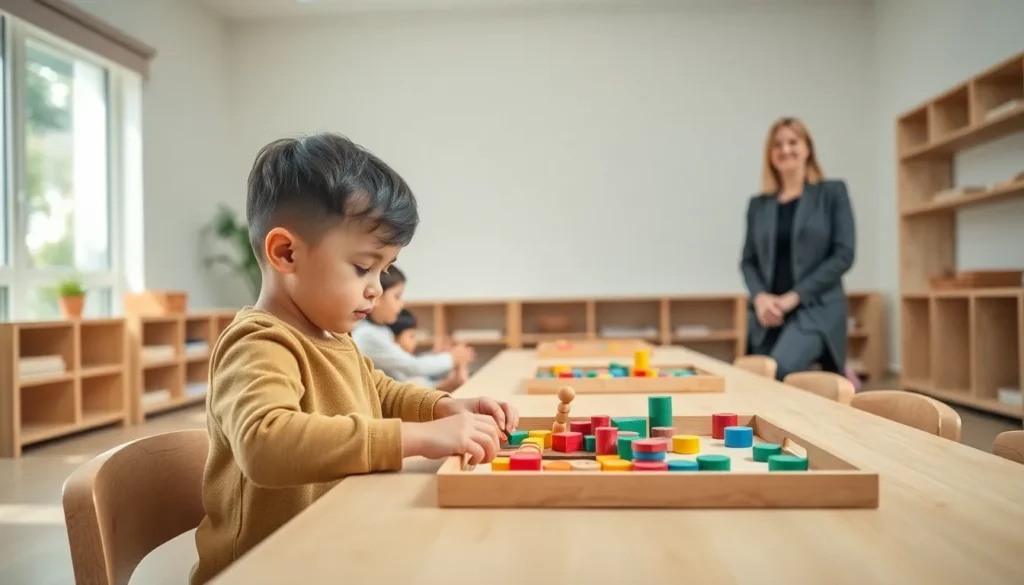
Children choose their own activities from a prepared environment. A teacher doesn’t stand at the front lecturing. Instead, children select work that interests them. This autonomy builds motivation and engagement. When children pick their own tasks, they concentrate longer and learn more deeply.
Mixed-Age Classrooms
Montessori classrooms group children in three-year age spans. A typical early childhood room includes ages 3 to 6. Younger children learn by watching older peers. Older children reinforce their knowledge by helping younger ones. This structure mirrors real life, where people of different ages work together.
Hands-On Materials
Montessori uses specific learning materials designed to teach abstract concepts through physical manipulation. A child learns math by handling beads, rods, and blocks. These materials provide sensory feedback that helps concepts stick. Children don’t just memorize facts, they understand them.
Uninterrupted Work Periods
Montessori schedules include long blocks of uninterrupted time, often three hours. Children need time to choose work, engage deeply, and finish at their own pace. Frequent interruptions break concentration. Extended work periods allow children to enter a state of flow.
The Prepared Environment
Every element in a Montessori classroom serves a purpose. Shelves stay at child height. Materials have designated spots. The space invites independence. Children can access what they need without asking for help. This setup reduces frustration and builds self-reliance.
The Role of the Guide
Montessori teachers are called guides. They observe children, introduce materials at appropriate times, and step back. A guide doesn’t direct learning, she facilitates it. This requires patience and trust in the child’s ability to grow.
What a Montessori Classroom Looks Like
Walking into a Montessori classroom feels different from entering a traditional school. The atmosphere is calm but busy. Children move freely. Some work alone at tables. Others gather in small groups on rugs. The noise level stays low, with focused conversation rather than chaos.
The physical space reflects Montessori principles. Child-sized furniture fills the room. Open shelves display materials organized by subject: practical life, sensory, language, math, and culture. Each material sits on a tray or in a basket, ready for use. Children know where to find things and where to return them.
Practical life activities teach everyday skills. Young children pour water, button shirts, and wash dishes. These tasks build fine motor control and independence. A three-year-old who can prepare her own snack gains confidence that carries into academic work.
Sensory materials help children refine their senses. They might arrange cylinders by size, match color tablets, or identify objects by touch. These exercises sharpen perception and prepare the brain for abstract thinking.
Math and language areas contain progressive materials. A child might start with sandpaper letters, tracing them to learn letter formation. Later, she builds words with a moveable alphabet. Math materials follow similar progressions, from concrete counting objects to abstract operations.
What is Montessori’s secret ingredient? It’s the combination of freedom and structure. Children choose their activities, but the environment guides them toward meaningful learning. The classroom design does much of the teaching.
Benefits of Montessori Education for Children
Research supports what Montessori educators have observed for decades. Children in Montessori programs show strong outcomes across multiple areas.
Academic Achievement
Studies find that Montessori students perform as well as or better than peers in traditional schools on standardized tests. A 2017 study in Frontiers in Psychology showed Montessori preschoolers outperformed control groups in reading, math, and executive function. The hands-on approach builds genuine understanding rather than surface-level memorization.
Independence and Self-Regulation
Montessori children learn to manage their own time and choices early. They decide what to work on and for how long. This practice develops executive function skills: planning, focus, and self-control. These abilities predict success in school and life.
Social and Emotional Growth
Mixed-age classrooms create natural opportunities for cooperation. Older children develop leadership skills. Younger children gain mentors. The Montessori approach also emphasizes conflict resolution and peaceful communication. Children learn to solve problems with words, not fists.
Love of Learning
Perhaps the greatest benefit is harder to measure. Montessori children often develop genuine curiosity. When learning isn’t forced, children discover the joy of understanding something new. This intrinsic motivation lasts long after formal schooling ends.
Creativity and Critical Thinking
Montessori education encourages exploration. Children ask questions and test ideas. They aren’t told to follow one right method. This openness builds creative problem-solvers who think for themselves.
What is Montessori’s lasting impact? It produces children who know how to learn, not just what to learn. That skill serves them for life.