A Montessori guide plays a central role in child-led education. Unlike traditional teachers who direct lessons from the front of a classroom, a Montessori guide observes, supports, and follows each child’s natural development. This approach stems from Dr. Maria Montessori’s philosophy that children learn best when they choose their own activities and work at their own pace.
Understanding what a Montessori guide does helps parents and educators see why this method produces confident, independent learners. This article explains the guide’s role, the core principles behind Montessori guidance, and how this approach differs from conventional teaching.
Table of Contents
ToggleKey Takeaways
- A Montessori guide facilitates learning by observing and supporting children rather than delivering direct instruction.
- Montessori guidance is built on respect for the child, careful observation, and following each child’s natural interests and pace.
- Unlike traditional teachers, a Montessori guide works individually with children, fostering intrinsic motivation instead of using grades or rewards.
- The prepared environment is essential—organized materials, child-sized furniture, and clear routines allow the Montessori guide to step back and let exploration happen.
- Becoming a Montessori guide requires accredited training (typically 1–2 years) that includes classroom observation, hands-on practice, and supervised teaching.
- This approach produces confident, independent learners who take ownership of their education.
What Is a Montessori Guide?
A Montessori guide is an adult who facilitates learning rather than delivers instruction. The term “guide” reflects the philosophy: adults don’t push children through a curriculum. Instead, they guide children toward activities that match their interests and developmental stage.
Dr. Maria Montessori introduced this concept in the early 1900s. She observed that children have an inner drive to learn. When adults step back and allow children to explore, remarkable growth happens. The Montessori guide watches for signs of readiness, introduces new materials at the right moment, and then lets the child work independently.
A Montessori guide also models behavior. Children learn respect, concentration, and care by watching how their guide handles materials and interacts with others. This quiet leadership creates a calm, purposeful classroom atmosphere.
The guide’s job requires patience. Some days, a child may repeat the same activity for hours. Other days, a child may struggle to focus. The Montessori guide responds to each situation without judgment, trusting that the child’s development unfolds on its own timeline.
Core Principles of Montessori Guidance
Several key principles shape how a Montessori guide works with children.
Respect for the Child
Montessori education treats children as capable individuals. A Montessori guide speaks to children with respect, values their choices, and avoids unnecessary interruption during work time. This respect builds self-confidence and independence.
Observation Over Intervention
Observation is the guide’s primary tool. By watching children closely, the Montessori guide learns what each child needs. Does a four-year-old keep returning to the pouring activity? She may be developing concentration and fine motor skills. Is a six-year-old frustrated with math materials? He might need a different approach or a brief lesson.
These observations inform every decision the guide makes.
Following the Child
“Follow the child” is a famous Montessori phrase. It means adults should respond to what children show them rather than impose a rigid schedule. A Montessori guide pays attention to each child’s interests, energy levels, and social needs. This flexibility allows learning to happen naturally.
Indirect Teaching
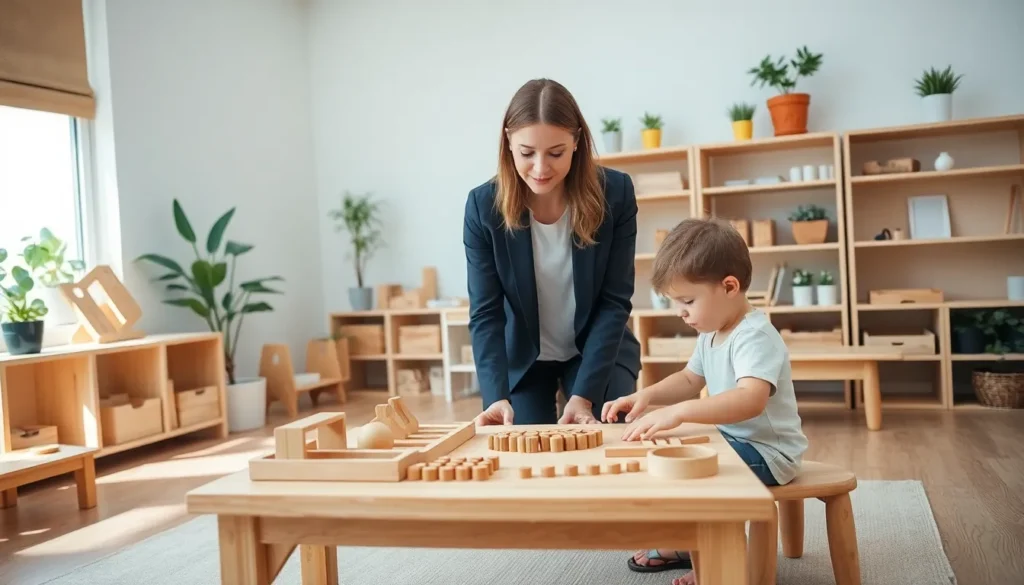
Montessori guides teach indirectly. They prepare the environment, demonstrate materials, and then step aside. Children learn through hands-on exploration, not lectures. The guide intervenes only when necessary, to redirect behavior, introduce a new concept, or offer support.
How Montessori Guides Differ From Traditional Teachers
Traditional teachers typically stand at the front of a classroom. They deliver lessons to the whole group, assign work, and grade performance. The teacher controls the pace and content of learning.
A Montessori guide operates differently. Here’s how:
Group vs. Individual Focus
Traditional classrooms often teach the same lesson to all students at once. A Montessori guide works with children individually or in small groups. This allows personalized instruction based on each child’s current abilities.
Authority vs. Partnership
Conventional teachers hold clear authority. They tell students what to do and when. A Montessori guide acts more like a partner. The guide offers choices, respects decisions, and encourages children to solve problems themselves.
Grades vs. Intrinsic Motivation
Many traditional schools use grades and rewards to motivate students. Montessori classrooms rely on intrinsic motivation. A Montessori guide helps children find satisfaction in the work itself rather than external praise.
Fixed Curriculum vs. Flexible Learning
Traditional education follows a set curriculum with specific timelines. A Montessori guide adapts to each child’s developmental pace. If a child masters reading early, she moves ahead. If another child needs more time with practical life skills, the guide provides that opportunity.
These differences create distinct classroom cultures. Montessori environments feel calm and purposeful. Children move freely, choose activities, and take ownership of their learning.
The Prepared Environment and the Guide’s Role
The prepared environment is a cornerstone of Montessori education. A Montessori guide carefully organizes the classroom to support independent learning.
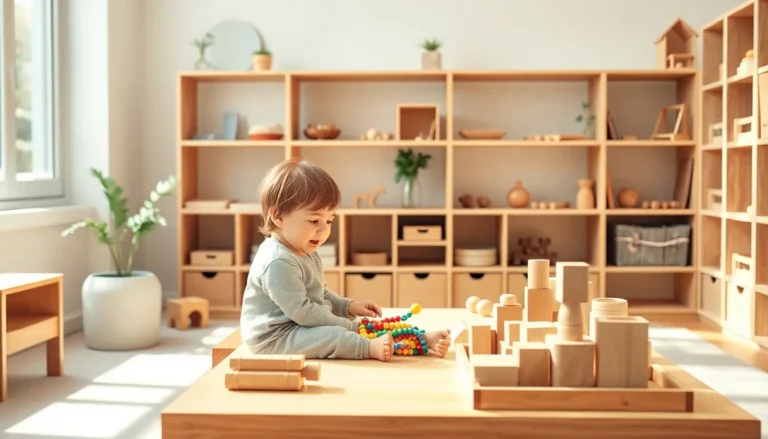
Every material has a specific place on low, accessible shelves. Children can see their options and choose freely. The guide arranges materials in a logical sequence, from simple to complex, so children naturally progress.
Beauty matters in a Montessori classroom. The guide selects real plants, natural materials, and child-sized furniture. This aesthetic creates a welcoming space where children feel respected and valued.
The Montessori guide also maintains order. After children finish an activity, they return materials to their spots. This routine teaches responsibility and keeps the environment functional for everyone.
Beyond physical setup, the guide creates an emotional environment. She sets clear expectations, models grace and courtesy, and addresses conflicts calmly. Children learn social skills by living them daily.
A well-prepared environment does much of the teaching. When everything is in its place and children know the routines, the Montessori guide can step back and observe. The space itself invites exploration and discovery.
Becoming a Montessori Guide
Becoming a Montessori guide requires specific training. Several organizations offer accredited programs, including the Association Montessori Internationale (AMI) and the American Montessori Society (AMS).
Training programs vary by age group. A guide who wants to work with toddlers completes a different course than one who plans to teach elementary students. Most programs include:
- Classroom observation hours: Trainees watch experienced Montessori guides at work
- Hands-on practice with materials: Every guide learns to present Montessori materials correctly
- Child development theory: Courses cover Montessori philosophy and developmental psychology
- Supervised student teaching: Trainees lead a classroom under mentor supervision
Full training takes one to two years, depending on the program and schedule. Many guides pursue certification while working in Montessori schools as assistants.
The path isn’t easy. Montessori training challenges adults to examine their assumptions about children and learning. It requires humility, the willingness to step back and trust children’s capabilities.
But those who complete training often describe a profound shift in perspective. They see children differently. They understand that their role is to support, not control. This mindset change is what makes a Montessori guide effective.