Montessori for beginners can feel overwhelming at first glance. Parents often hear the term but struggle to understand what it actually means in practice. This guide breaks down the Montessori method into clear, actionable steps. Whether someone is considering a Montessori school or wants to bring these principles home, this article provides the foundation they need. From core philosophy to practical application, parents will learn how to support their child’s natural development through this time-tested approach.
Table of Contents
ToggleKey Takeaways
- Montessori for beginners focuses on child-led learning where children work at their own pace and choose their own activities.
- The prepared environment is essential—use child-sized furniture, accessible shelves, and organized spaces to encourage independence.
- Apply Montessori at home by involving children in daily tasks like setting the table, pouring water, and preparing simple snacks.
- Limit toys and rotate them regularly, as children focus better with fewer, purposeful choices.
- Expensive materials aren’t necessary—household items like pitchers, tongs, and fabric swatches work well for skill development.
- Montessori provides structure through freedom within limits, teaching self-discipline while respecting children as capable individuals.
What Is Montessori Education?
Montessori education is a child-centered learning approach developed by Dr. Maria Montessori in the early 1900s. She was Italy’s first female physician and spent decades observing how children learn best. Her research revealed something important: children thrive when they can direct their own learning.
The Montessori method treats children as capable individuals. Teachers act as guides rather than lecturers. Classrooms feature mixed-age groups, typically spanning three years. A room might include children ages 3-6 learning together, with older students often helping younger ones.
Montessori for beginners starts with understanding this shift in perspective. Traditional education often follows a one-size-fits-all model. Montessori flips this approach. Each child works at their own pace on activities they choose. A four-year-old might spend an hour arranging colored beads while another practices letter sounds.
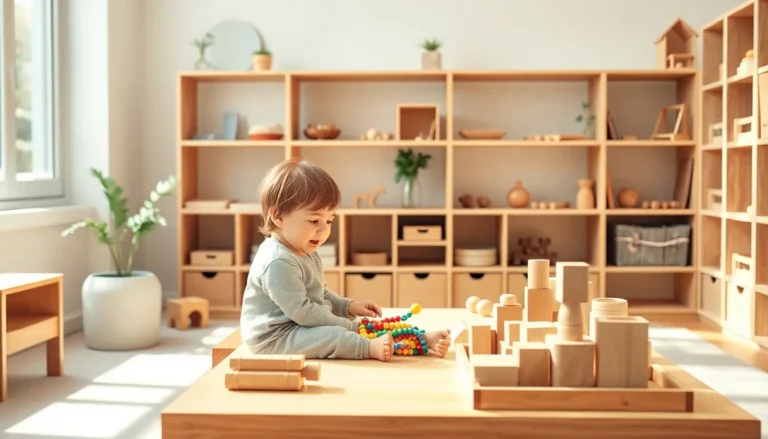
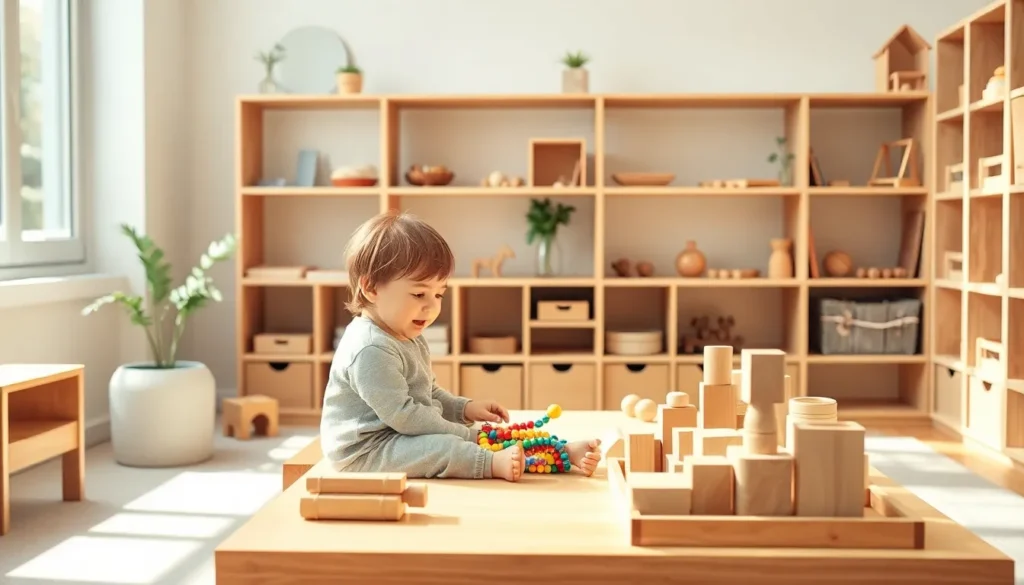
The physical environment plays a crucial role. Montessori classrooms use child-sized furniture and accessible shelves. Materials sit at eye level so children can select them independently. Everything has a designated place, teaching organization naturally.
This method has spread globally since its creation. Today, over 20,000 Montessori schools operate worldwide. The approach serves children from infancy through high school, though it’s most common in early childhood programs.
Core Principles of the Montessori Method
Several key principles guide Montessori education. Understanding these helps parents apply the method effectively.
Respect for the Child
Montessori treats children as individuals worthy of respect. Adults listen to children’s opinions. They offer choices rather than commands. This respect builds confidence and self-worth from an early age.
The Prepared Environment
Every Montessori space is intentionally organized. Materials progress from simple to complex. Shelves remain uncluttered. Beauty matters, fresh flowers, natural light, and calm colors create an inviting atmosphere. The environment itself teaches.
The Absorbent Mind
Dr. Montessori identified that children under age six absorb information effortlessly. They learn language, culture, and physical skills simply by existing in their environment. Parents who understand this concept create richer surroundings for their children.
Sensitive Periods
Children experience windows of intense interest in specific skills. A toddler might become obsessed with opening and closing containers. A preschooler could spend weeks tracing letters. Montessori for beginners involves recognizing these periods and providing appropriate activities.
Freedom Within Limits
Montessori children enjoy significant freedom, but within clear boundaries. They choose their activities but must use materials respectfully. They move freely but cannot disturb others. This balance teaches self-discipline naturally.
Intrinsic Motivation
The Montessori approach avoids external rewards like stickers or grades. Children work because the activity itself satisfies them. They develop internal motivation that serves them throughout life.
How to Apply Montessori at Home
Parents don’t need a formal Montessori classroom to use these principles. Small changes at home make a big difference.
Start by evaluating the space through a child’s eyes. Can they reach their clothes? Access their toys? Get water independently? Montessori at home means creating accessibility. Install low hooks for coats. Place snacks on a low shelf. Use a step stool in the bathroom.
Involve children in daily tasks. A two-year-old can help load laundry. A three-year-old can set the table. A five-year-old can prepare simple snacks. These “practical life” activities build coordination and confidence. They also satisfy children’s natural desire to participate in family life.
Montessori for beginners includes slowing down. When a child struggles with a zipper, resist the urge to do it for them. Wait. Offer encouragement. Only step in when frustration builds too high. This patience allows children to develop problem-solving skills.
Limit toys and rotate them regularly. A shelf with five carefully chosen activities beats a room overflowing with options. Children focus better with fewer choices. Store extra toys and swap them every few weeks.
Follow the child’s interests. If they’re fascinated by bugs, get books about insects. Visit a nature center. Provide a magnifying glass. Montessori parents observe what captures their child’s attention and expand on it.
Choosing the Right Montessori Materials
Montessori materials have specific characteristics. They’re typically made from natural materials like wood, metal, and fabric. Plastic is minimal. Each item serves a clear purpose and often includes a built-in way for children to check their own work.
For parents exploring Montessori for beginners, expensive materials aren’t necessary. Many effective activities use household items.
Practical Life Materials
Child-sized brooms, dustpans, and spray bottles work well. Pitchers for pouring practice cost very little. Tongs, spoons, and containers allow scooping and transferring. These activities develop fine motor skills and concentration.
Sensorial Materials
Items that isolate one sense help children categorize their world. Matching games using textures, sounds, or colors work well. Fabric swatches, musical instruments, and color cards are affordable options.
Language Materials
Sandpaper letters help children connect sounds to symbols through touch. Moveable alphabets allow word building before writing develops. Quality children’s books remain essential.
Math Materials
Montessori uses concrete materials to teach abstract concepts. Counting beads, number rods, and golden bead materials help children understand quantity. Parents can start with simple counting activities using everyday objects.
When purchasing Montessori materials, quality matters more than quantity. One well-made puzzle beats five flimsy ones. Look for items that will last and can grow with the child.
Common Misconceptions About Montessori
Several myths surround Montessori education. Clearing these up helps parents make informed decisions.
“Montessori means no structure.” This is false. Montessori classrooms have significant structure, it just looks different. The schedule, materials, and expectations all follow clear patterns. Children have freedom within a carefully designed framework.
“It’s only for wealthy families.” While some private Montessori schools charge high tuition, many public Montessori programs exist. The method itself costs nothing to carry out at home. Dr. Montessori originally developed her approach for low-income children in Rome.
“Children do whatever they want.” Montessori for beginners often gets confused with permissive parenting. The reality? Children have choices, but adults set clear limits. A child might choose which work to do, but they must complete activities before returning materials to shelves.
“It doesn’t prepare children for traditional school.” Research suggests otherwise. Studies show Montessori students often outperform peers in reading and math. They also demonstrate stronger social skills and executive function.
“It’s only for preschoolers.” Montessori education extends through high school. The principles apply at every age, though implementation changes. Even adults can benefit from Montessori concepts like prepared environments and intrinsic motivation.