
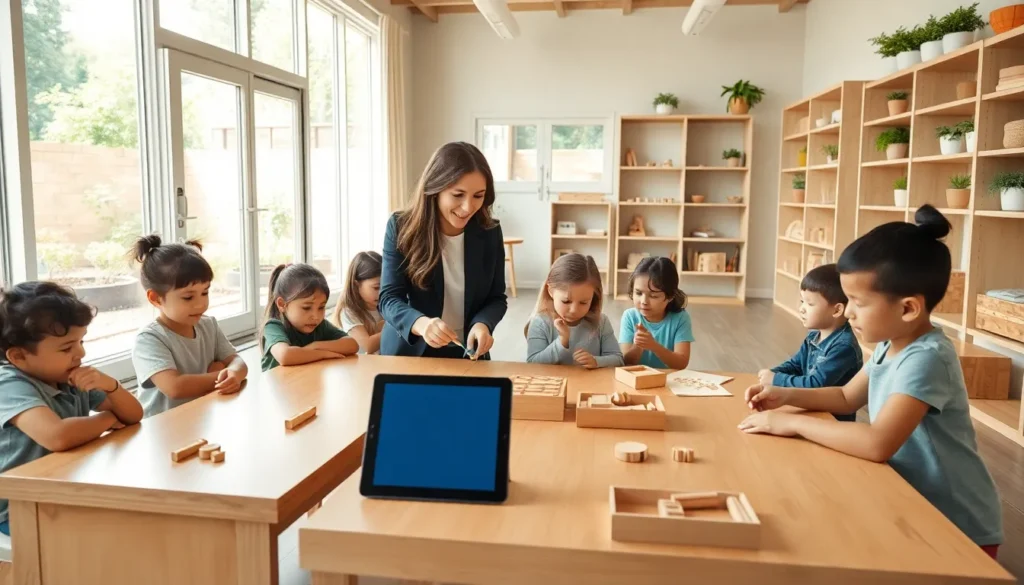
Montessori trends 2026 point to significant shifts in how educators and families approach child-centered learning. The Montessori method continues to evolve as schools adapt to changing needs and new opportunities. From hybrid learning models to expanded public school options, the coming year promises fresh developments worth watching. This guide breaks down the key Montessori trends 2026 will bring and explains what parents, educators, and administrators should expect.
Table of Contents
ToggleKey Takeaways
- Montessori trends 2026 highlight the rise of hybrid and micro-Montessori programs offering flexible, affordable alternatives to traditional private schools.
- Technology integration in Montessori classrooms focuses on supplementing hands-on materials rather than replacing them, with intentional and limited screen use.
- Public Montessori schools are expanding across the U.S., making the method more accessible to families from diverse socioeconomic backgrounds.
- Nature-based and outdoor education is becoming a defining feature of Montessori programs, aligning with research on improved attention and reduced stress in children.
- Social-emotional learning, including peace education and trauma-informed practices, is receiving heightened focus as schools prioritize whole-child development.
Growth of Hybrid and Micro-Montessori Programs
One of the most notable Montessori trends 2026 will showcase is the rise of hybrid and micro-Montessori programs. These smaller, flexible learning environments combine home-based education with structured classroom time.
Micro-schools typically serve 10 to 15 students and operate in homes, community centers, or small dedicated spaces. They offer lower student-to-teacher ratios and personalized attention. Parents who want Montessori principles but need scheduling flexibility find these programs especially appealing.
Hybrid models blend in-person instruction with remote learning components. Students might attend a physical classroom three days per week while completing independent work at home on other days. This structure maintains the hands-on, self-directed approach Montessori is known for while accommodating modern family schedules.
Several factors drive this trend. Rising costs at traditional private Montessori schools push families toward more affordable alternatives. Also, parents who experienced remote learning during the pandemic saw value in flexible educational approaches. Micro-Montessori programs fill this gap effectively.
Expect to see more micro-school networks forming in suburban and rural areas where traditional Montessori options are limited. These programs will likely expand as demand grows throughout 2026.
Technology Integration With Hands-On Learning
Technology integration represents another major shift among Montessori trends 2026. But, this integration looks different from conventional classroom tech use.
Montessori educators are finding ways to blend digital tools with the method’s signature hands-on materials. Rather than replacing physical manipulatives, technology supplements them. For example, students might use tablets to document their work with traditional materials or access virtual field trips that extend classroom lessons.
Artificial intelligence tools are entering Montessori classrooms in thoughtful ways. Teachers use AI-powered assessment platforms to track student progress and identify learning gaps. These tools help educators personalize instruction without sacrificing the self-directed nature of Montessori learning.
Coding and digital literacy now appear in many Montessori curricula for upper elementary and middle school students. Schools introduce these skills using hands-on approaches, physical coding blocks, robotics kits, and tangible programming tools.
The key distinction in Montessori technology use is intentionality. Screens serve specific educational purposes rather than acting as default activities. Most Montessori programs limit screen time for younger children while gradually introducing technology skills as students mature.
This balanced approach to Montessori trends 2026 reflects broader concerns about childhood screen exposure. Parents increasingly seek educational environments that prepare children for a digital future without over-relying on devices.
Expanding Access Through Public Montessori Schools
Access expansion stands out among Montessori trends 2026 as public school districts add more Montessori programs. This shift addresses a long-standing criticism: that Montessori education primarily serves affluent families.
Public Montessori schools have grown steadily over the past decade. Currently, over 500 public Montessori programs operate across the United States. That number is expected to increase as districts recognize the method’s effectiveness.
Research supporting Montessori outcomes drives this expansion. Studies show students in public Montessori programs often outperform peers in traditional settings on measures of academic achievement and social development. School administrators take notice of these results.
Several large urban districts have announced plans to launch or expand Montessori magnet programs in 2026. These schools use lottery systems to ensure diverse enrollment and serve students from various socioeconomic backgrounds.
Teacher training remains a challenge for public Montessori growth. Certified Montessori teachers are in short supply. To address this, some districts partner with Montessori training centers to credential existing teachers. Others offer loan forgiveness programs to attract credentialed educators.
The expansion of public Montessori options represents a significant democratization of the method. Families who previously couldn’t afford private tuition now have pathways to Montessori education for their children.
Emphasis on Outdoor and Nature-Based Education
Nature-based learning emerges as a defining feature of Montessori trends 2026. Schools are dedicating more time and resources to outdoor education.
Maria Montessori herself emphasized the importance of nature in child development. Modern Montessori programs are returning to this foundational principle with renewed energy. Outdoor classrooms, school gardens, and nature exploration have become standard features at many Montessori schools.
Forest school elements now blend with traditional Montessori curriculum. Students spend extended periods outdoors regardless of weather, learning through direct interaction with natural environments. This approach builds resilience, curiosity, and environmental awareness.
Schools are redesigning physical spaces to support outdoor learning. New Montessori facilities feature covered outdoor classrooms, edible gardens, and natural play areas. Existing schools add outdoor elements through renovations and creative use of available space.
The benefits of nature-based Montessori education align with growing research on childhood development. Studies link outdoor learning to improved attention, reduced stress, and better physical health. Parents seeking alternatives to screen-heavy environments find nature-focused Montessori programs particularly attractive.
Climate education naturally fits within this trend. Montessori schools incorporate environmental stewardship into daily routines. Students learn about sustainability through hands-on activities like composting, gardening, and caring for animals.
Rising Focus on Social-Emotional Development
Social-emotional learning receives heightened attention among Montessori trends 2026. Schools are expanding their focus on emotional intelligence, conflict resolution, and community building.
Montessori education has always included social-emotional components. The mixed-age classroom structure naturally teaches cooperation and mentorship. Grace and courtesy lessons help children develop interpersonal skills. But, schools are now making these elements more explicit and systematic.
Many Montessori programs are adding dedicated peace education curricula. These programs teach students specific skills for managing emotions, resolving conflicts, and building healthy relationships. Peace corners and conflict resolution protocols give children practical tools for handling difficult situations.
Trauma-informed practices are entering Montessori classrooms as educators recognize the lasting effects of stress on learning. Teachers receive training to identify signs of emotional distress and respond appropriately. Classroom environments are designed to feel safe and predictable.
Parent education accompanies these school-based efforts. Montessori programs offer workshops on supporting social-emotional development at home. This alignment between school and home environments strengthens outcomes for children.
The emphasis on social-emotional skills responds to broader societal concerns. Rising rates of childhood anxiety and behavioral challenges prompt educators to prioritize emotional wellbeing alongside academic achievement. Montessori trends 2026 reflect this shift toward whole-child education.