
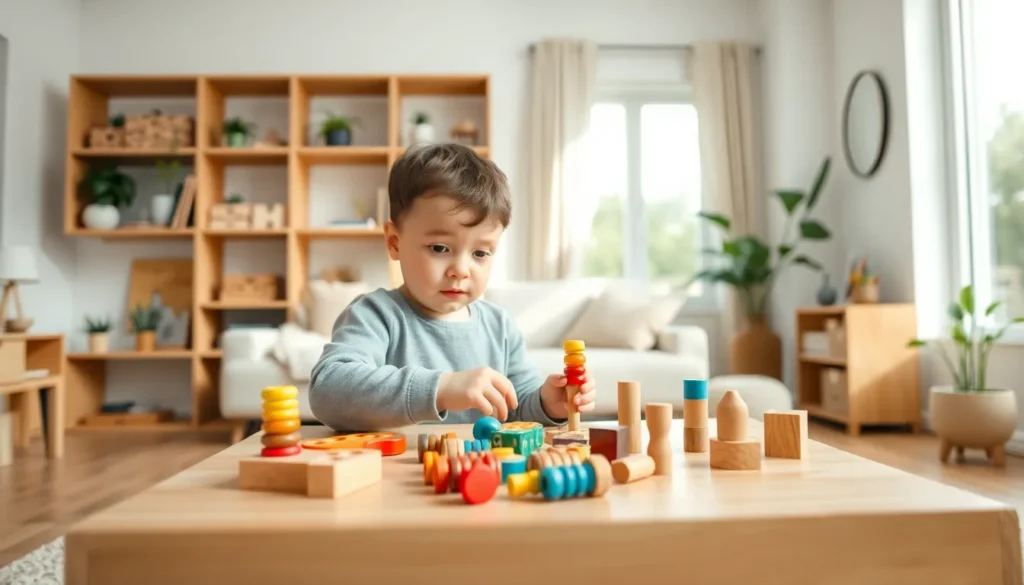
Montessori techniques have shaped how millions of children learn worldwide. Developed over a century ago by Dr. Maria Montessori, these methods put children at the center of their own education. Instead of passive lectures, kids engage with their environment, choose their activities, and learn at their own pace.
But what makes Montessori techniques actually work? And can parents use them outside a formal classroom? This guide breaks down the core principles, essential methods, and practical ways to bring Montessori into any home.
Table of Contents
ToggleKey Takeaways
- Montessori techniques center on child-led learning, allowing kids to choose activities and learn at their own pace within structured boundaries.
- The prepared environment—a cornerstone of Montessori methods—uses child-sized furniture, accessible materials, and intentional organization to foster independence.
- Hands-on learning materials make abstract concepts tangible, with self-correcting designs that let children discover mistakes independently.
- Parents can apply Montessori techniques at home by creating accessible spaces, offering real practical tasks, and following their child’s natural interests.
- Research shows Montessori education improves executive function, academic achievement, and social-emotional development compared to conventional programs.
Core Principles Behind Montessori Education
Montessori education rests on a few foundational ideas. Understanding these principles helps explain why Montessori techniques produce confident, curious learners.
Respect for the Child
Montessori treats children as capable individuals. Adults guide rather than control. Children make choices about what to study and when. This respect builds independence and self-confidence from an early age.
Sensitive Periods
Dr. Montessori observed that children go through sensitive periods, windows of time when they absorb specific skills easily. A toddler might become fascinated with language. A preschooler might obsess over order and routine. Montessori techniques capitalize on these natural developmental phases.
The Absorbent Mind
Young children soak up information from their surroundings without conscious effort. Montessori classrooms are designed to feed this absorbent mind with rich, purposeful experiences. Every object has a place. Every activity teaches something.
Freedom Within Limits
Children have freedom to choose activities, but within a structured environment. They can’t run wild. Clear boundaries exist. This balance teaches self-discipline while honoring a child’s natural curiosity.
These principles inform every Montessori technique, from classroom design to the materials children use.
Essential Montessori Techniques for Learning
Several specific Montessori techniques make this educational approach distinctive. Two stand out as foundational.
Prepared Environment
The prepared environment is a cornerstone of Montessori techniques. It’s not just a classroom, it’s a carefully arranged space designed for child-sized bodies and developing minds.
Furniture sits at child height. Materials rest on open shelves within easy reach. Each item has a designated spot, which children learn to respect. The environment itself becomes a teacher.
A prepared environment includes:
- Order: Everything has a place. Children return materials after use.
- Accessibility: Kids can reach what they need without adult help.
- Beauty: Natural materials, plants, and artwork create an inviting space.
- Simplicity: Clutter is minimized. Too many choices can overwhelm.
This setup encourages independence. A three-year-old can pour their own water, choose their own work, and clean up afterward. The environment makes these tasks possible.
Hands-On Learning Materials
Montessori techniques rely heavily on concrete, manipulative materials. Abstract concepts become tangible.
Take math, for example. Instead of memorizing that 4+3=7, a child physically combines four beads with three beads and counts the result. The Pink Tower teaches size discrimination. The Moveable Alphabet lets pre-writers build words with wooden letters.
Key characteristics of Montessori materials include:
- Self-correcting design: Children discover their own mistakes without adult intervention.
- Isolation of difficulty: Each material teaches one concept at a time.
- Sequential progression: Materials build on each other, moving from concrete to abstract.
- Sensory engagement: Children touch, move, and manipulate objects.
These hands-on Montessori techniques engage multiple senses. Learning becomes physical, not just mental. And research supports this approach, kinesthetic learning improves retention and understanding.
Applying Montessori Techniques at Home
Parents don’t need a certified classroom to use Montessori techniques. Many methods translate easily to home settings.
Create a Prepared Home Environment
Start with one room or area. Put child-appropriate items within reach. A low shelf with a few toys beats a overflowing toy box. Rotate materials every few weeks to maintain interest.
In the kitchen, store snacks on a low shelf. Provide a small pitcher for self-serve water. Use a step stool so children can help with meal prep. These small changes let kids participate in daily life.
Offer Real Work
Montessori techniques emphasize practical life activities. Children want to contribute. Let them. Folding laundry, washing vegetables, sweeping floors, these tasks build coordination and confidence.
Use child-sized tools when possible. A small broom works better than a full-sized one. Real dishes (not plastic) teach careful handling.
Follow the Child
Observe what interests your child. Do they love sorting? Provide containers and objects to categorize. Are they drawn to letters? Introduce sandpaper letters or a moveable alphabet.
Montessori techniques work best when they follow a child’s natural interests rather than impose adult agendas.
Limit Choices
Too many options overwhelm. Offer two or three activities instead of twenty. This makes decision-making manageable and increases focus.
Slow Down
Allow extra time for tasks. A child learning to button a coat needs patience. Rushing defeats the purpose. The process matters as much as the outcome.
Benefits of Using Montessori Methods
Why do Montessori techniques continue gaining popularity? Research and parent experience point to several advantages.
Independence and Self-Confidence
Children who practice Montessori techniques learn to do things themselves. They make choices, solve problems, and manage their time. This builds genuine confidence, not the hollow kind from constant praise, but the solid kind that comes from real accomplishment.
Love of Learning
Because children choose their activities, learning feels like play. Intrinsic motivation develops naturally. Many Montessori students maintain curiosity and enthusiasm for education throughout their lives.
Strong Executive Function
Studies show Montessori education improves executive function, the mental skills that help people plan, focus, and manage multiple tasks. A 2017 study in Frontiers in Psychology found that Montessori preschoolers showed greater gains in executive function compared to peers in conventional programs.
Social and Emotional Development
Mixed-age classrooms (common in Montessori settings) let older children mentor younger ones. This builds empathy, leadership, and communication skills. Children learn to collaborate rather than compete.
Academic Achievement
Montessori techniques produce strong academic outcomes. Research published in Science found that Montessori students outperformed peers in reading, math, and social problem-solving by the end of kindergarten.
These benefits extend beyond childhood. Many successful entrepreneurs, artists, and innovators, including Jeff Bezos, Sergey Brin, and Gabriel García Márquez, attended Montessori schools.