
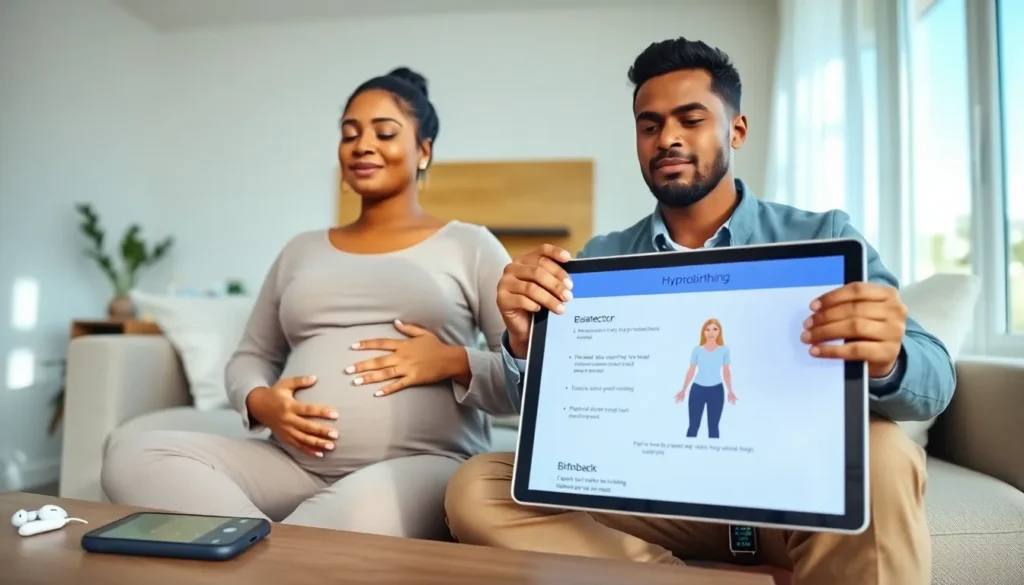
Hypnobirthing trends 2026 reflect a shift toward technology, personalization, and inclusive birth preparation. More expecting parents are choosing hypnobirthing to manage labor through relaxation, breathing techniques, and positive visualization. The practice has grown steadily over the past decade, and 2026 brings fresh developments that make it more accessible than ever.
This guide covers the key hypnobirthing trends 2026 has introduced. From virtual classes to AI-assisted programs, these changes are reshaping how families prepare for birth. Whether someone is new to hypnobirthing or looking to update their approach, understanding these trends helps parents make informed choices.
Table of Contents
ToggleKey Takeaways
- Virtual hypnobirthing classes dominate 2026 trends, offering flexible, affordable access to expert instruction regardless of location.
- Wearable technology and birth apps now provide real-time biofeedback, helping parents track their relaxation progress during hypnobirthing practice.
- AI-powered personalization creates custom hypnobirthing scripts and affirmations tailored to individual fears, preferences, and birth goals.
- Partner involvement has become essential, with dedicated modules teaching specific support techniques for labor.
- Hypnobirthing trends 2026 show increased integration with yoga, doula services, and hospital childbirth programs, making the practice mainstream.
- Inclusive language and diverse family representation make modern hypnobirthing programs accessible to all expecting parents.
The Growing Popularity of Virtual Hypnobirthing Classes
Virtual hypnobirthing classes have become a dominant trend in 2026. Parents can now access full courses from their living rooms, eliminating travel time and scheduling conflicts. This shift began during the early 2020s but has matured into a polished experience.
Live video sessions let instructors guide breathing exercises in real time. Parents practice relaxation techniques while receiving immediate feedback. Many programs also offer recorded modules, so couples can revisit lessons whenever needed.
The flexibility appeals to working parents and those in rural areas. A mother in Montana has the same access to expert instruction as someone in New York City. This democratization of hypnobirthing education marks one of the biggest hypnobirthing trends 2026 has delivered.
Group virtual classes create community too. Parents connect with others due around the same time, sharing experiences and encouragement through video calls and chat groups. Some platforms host alumni sessions where parents who’ve given birth share their stories with those still preparing.
Cost savings add another benefit. Virtual hypnobirthing classes typically run 20-40% cheaper than in-person equivalents. Without facility rental and travel expenses, instructors pass savings to students.
Integration With Wearable Technology and Birth Apps
Wearable technology now supports hypnobirthing practice in practical ways. Smartwatches and fitness trackers monitor heart rate variability during relaxation exercises. Parents can see real data showing their stress levels drop as they practice breathing techniques.
Birth apps have integrated hypnobirthing features directly into their platforms. A single app might track pregnancy milestones, count contractions, and offer guided hypnobirthing sessions. This consolidation simplifies the experience for busy parents.
Some wearables send gentle vibration prompts during labor. When a contraction begins, the device reminds the parent to start their breathing pattern. This tactile cue helps maintain focus during intense moments.
Biofeedback features show real progress over time. Parents watch their relaxation response improve across weeks of practice. Seeing measurable improvement motivates consistent training, a key factor in successful hypnobirthing.
These hypnobirthing trends 2026 has popularized make the practice more tangible. Instead of wondering if relaxation techniques work, parents have data confirming their progress.
Personalized Hypnobirthing Programs and AI-Assisted Guidance
AI tools now create personalized hypnobirthing scripts and schedules. Parents answer questions about their fears, preferences, and birth goals. The system generates custom affirmations and visualization exercises based on their responses.
This approach addresses a common criticism of traditional hypnobirthing: generic scripts don’t resonate with everyone. A first-time mother anxious about hospital settings receives different guidance than someone planning a home birth after a previous cesarean.
AI chatbots offer 24/7 support for practicing parents. At 2 AM when anxiety strikes, a parent can ask questions and receive calming guidance. These tools don’t replace human instructors but extend support between sessions.
Some programs adjust difficulty based on progress. Parents who master basic breathing quickly move to advanced techniques. Those needing more foundation work receive additional practice exercises. This adaptive learning keeps parents engaged without overwhelming them.
Personalization stands out among hypnobirthing trends 2026 has brought forward. Parents want programs that speak to their specific situations, and technology now delivers that customization at scale.
Partner Involvement and Inclusive Birth Preparation
Partner participation has become central to modern hypnobirthing programs. Birth partners learn specific support techniques rather than sitting passively through classes. They practice massage, verbal cues, and environmental management.
Inclusive language throughout 2026 programs welcomes all family structures. Same-sex couples, single parents with support persons, and non-traditional families find representation in course materials. This shift reflects broader social changes and makes hypnobirthing accessible to more people.
Partners often receive their own app modules or workbooks. These resources explain the science behind hypnobirthing and give concrete actions for labor support. A partner who understands why certain techniques work provides better assistance.
Some hypnobirthing trends 2026 introduced focus specifically on partner anxiety. Birth can feel overwhelming for support persons too. Dedicated exercises help partners manage their own stress so they remain calm and present.
Dual enrollment options let partners attend abbreviated versions of full courses. They get essential skills without committing to the complete program. This flexibility acknowledges that partners have varying availability and interest levels.
Combining Hypnobirthing With Other Holistic Birth Practices
Hypnobirthing increasingly pairs with complementary practices in 2026. Prenatal yoga instructors weave hypnobirthing breathing into their classes. Acupuncturists time sessions to reinforce relaxation training. This integration creates comprehensive birth preparation.
Doulas now commonly hold hypnobirthing certifications. They provide continuous support during labor while guiding parents through practiced techniques. Having one person fulfill both roles creates consistency and deeper trust.
Mindfulness meditation programs have merged elements with hypnobirthing curricula. The overlap makes sense, both practices use focused attention and breathing to manage physical sensations. Parents who meditate regularly often find hypnobirthing techniques familiar.
Some hospitals offer combined preparation packages. A single registration covers childbirth education, hypnobirthing, and breastfeeding classes. This bundling reflects institutional acceptance of hypnobirthing as mainstream birth preparation.
These hypnobirthing trends 2026 has encouraged move the practice from alternative to integrated. Rather than choosing between approaches, parents combine methods that work for their situations.