
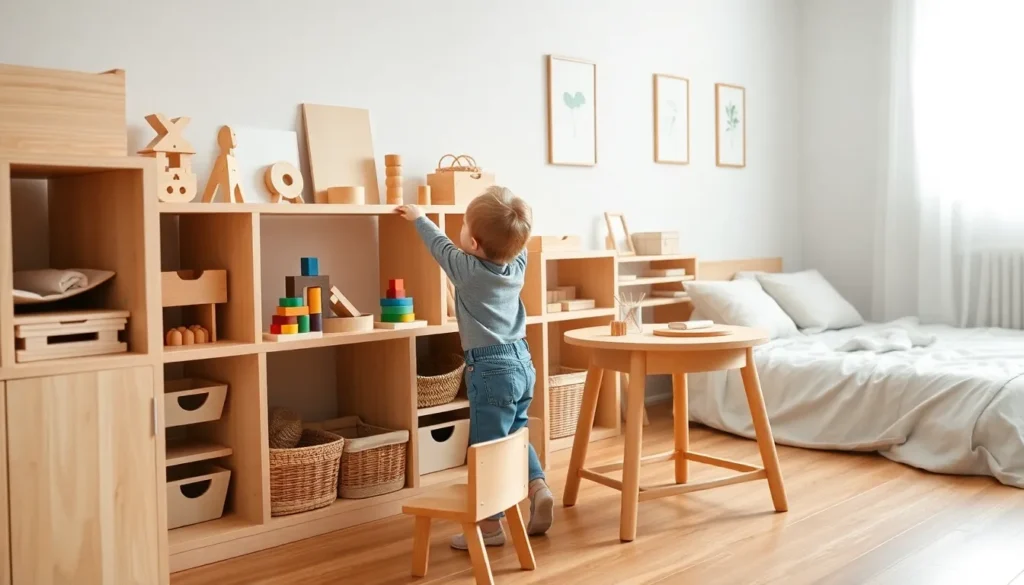
Montessori ideas offer parents and educators a proven framework for raising confident, self-directed children. This approach prioritizes hands-on learning, prepared environments, and respect for each child’s natural development. Dr. Maria Montessori developed these principles over a century ago, yet they remain remarkably relevant today. Children thrive when they can explore at their own pace, make meaningful choices, and engage with purposeful activities. This article covers core Montessori principles, practical home setup tips, age-appropriate activities, and daily routines that build independence. Whether someone is new to Montessori or looking to deepen their practice, these strategies provide a solid starting point.
Table of Contents
ToggleKey Takeaways
- Montessori ideas prioritize hands-on learning, prepared environments, and respect for each child’s natural development pace.
- Creating a Montessori-friendly home starts with simple changes like child-accessible shelves, floor beds, and low storage for everyday items.
- Age-appropriate activities range from sensory exploration for infants to research projects and community service for elementary-age children.
- Daily routines—including morning, mealtime, and bedtime sequences—build independence and essential life skills through consistent practice.
- Adults serve as guides rather than directors, observing children’s interests and offering appropriate materials without unnecessary interference.
- Small successes in self-directed tasks build confidence and prepare children for bigger challenges over time.
Core Principles Behind Montessori Education
Montessori education rests on a few foundational beliefs about how children learn best. Understanding these principles helps parents and teachers apply Montessori ideas effectively.
Respect for the Child
Montessori philosophy treats children as capable individuals. Adults act as guides rather than directors. They observe each child’s interests and developmental stage, then offer appropriate materials and experiences. This respect builds self-esteem and intrinsic motivation.
The Prepared Environment
A well-organized space invites exploration. Montessori classrooms and homes feature child-sized furniture, accessible materials, and minimal clutter. Everything has a designated place. Children can choose activities freely and return items when finished. This setup promotes order, concentration, and responsibility.
Hands-On Learning
Montessori materials engage multiple senses. Children learn abstract concepts through concrete objects. For example, they grasp mathematical principles by handling beads or rods before moving to written numbers. This sensory approach creates deeper understanding and longer retention.
Self-Directed Activity
Children select their own work within a structured framework. They decide what to explore, how long to engage, and when to move on. Adults set boundaries but avoid unnecessary interference. This freedom develops decision-making skills and personal responsibility.
Mixed-Age Groupings
Traditional Montessori classrooms group children across three-year age spans. Younger children learn from older peers. Older children reinforce knowledge by teaching concepts to others. This arrangement mirrors real-world social interactions and builds community.
These core Montessori ideas form the foundation for everything that follows. Parents can adapt them to any home setting without expensive materials or formal training.
Montessori Ideas for the Home Environment
Creating a Montessori-friendly home doesn’t require a complete renovation. Small adjustments make a significant difference in how children interact with their surroundings.
Setting Up Child-Accessible Spaces
The Bedroom
A floor bed allows toddlers to get in and out independently. Low shelves hold a rotation of books and toys within easy reach. A small mirror at child height encourages self-awareness. Keep decorations simple and at the child’s eye level.
The Kitchen
A learning tower or sturdy step stool gives children access to counters for food preparation. Store child-safe utensils, plates, and cups in low drawers or cabinets. A small pitcher allows children to pour their own water. These Montessori ideas transform mealtime into learning opportunities.
The Bathroom
Install a step stool at the sink. Place a small towel and toothbrush at child height. A low hook holds the child’s bathrobe or towel. Consider a child-sized toilet seat or potty in an accessible location. These modifications support toileting independence.
Living Areas
Designate a shelf or corner for the child’s activities. Rotate materials weekly to maintain interest. Include practical life items like a small broom, dustpan, and watering can. Art supplies in accessible containers encourage creative expression.
Outdoor Spaces
Gardens offer rich learning experiences. Children can plant seeds, water plants, and observe growth cycles. Provide child-sized gardening tools. A sandbox or mud kitchen extends sensory play outdoors.
The key to implementing Montessori ideas at home involves observing what the child needs and adjusting the environment accordingly. Start with one room and expand gradually.
Age-Appropriate Montessori Activities
Montessori activities match developmental stages. The right challenge engages children without frustrating them.
Infants (0-12 Months)
Black and white mobiles support early visual development. Grasping toys like wooden rings build hand strength. Tummy time on a movement mat encourages mobility. Simple rattles introduce cause and effect. Treasure baskets filled with safe household objects invite sensory exploration.
Toddlers (1-3 Years)
Practical life activities shine at this stage. Toddlers love pouring, scooping, and transferring objects between containers. Matching games develop visual discrimination. Simple puzzles with knobs strengthen fine motor skills. Play dough and finger painting offer sensory input. Montessori ideas for toddlers emphasize real tasks over pretend play.
Preschoolers (3-6 Years)
Children at this stage enjoy more complex activities. Sorting buttons by color, size, or shape builds classification skills. Sandpaper letters introduce phonics through touch. Counting beads lay groundwork for mathematics. Cutting with child-safe scissors improves hand control. Food preparation activities like spreading, slicing soft fruits, and mixing ingredients teach sequencing.
Elementary Age (6-12 Years)
Older children pursue deeper interests through research projects. They might study a country, design experiments, or create timelines. Math materials progress to fractions and geometry. Writing activities expand to creative stories and reports. Community service projects connect learning to real-world impact.
Montessori ideas scale with the child’s growth. The same principles, hands-on engagement, self-direction, and purposeful work, apply across all ages.
Encouraging Independence Through Daily Routines
Daily routines provide structure while building life skills. Montessori ideas integrate naturally into morning, mealtime, and bedtime sequences.
Morning Routines
Lay out clothing choices the night before, two or three options work well. Children dress themselves, starting with simple garments and progressing to buttons and zippers. A visual schedule with pictures helps younger children follow the sequence. Allow extra time so children don’t feel rushed.
Mealtime Routines
Children participate in meal preparation according to their abilities. They set the table, pour drinks, and serve themselves. Family-style dining lets children choose portion sizes. After eating, children clear their plates and wipe their spot. These Montessori ideas turn meals into practical learning sessions.
Cleanup Routines
Everything has a home. Children return toys to designated spots on shelves. Color-coded bins help younger children sort items correctly. A consistent cleanup song or timer signals transition time. Adults model organization rather than doing tasks for children.
Bedtime Routines
Children choose their pajamas and books for reading. They brush teeth and wash faces with minimal assistance. A predictable sequence, bath, stories, songs, lights out, creates security. Gradually, children internalize the routine and need fewer reminders.
Building Patience
Independence takes time. Children will spill water, mismatch socks, and forget steps. Adults resist the urge to take over. Each small success builds confidence for bigger challenges.
Consistent routines anchor Montessori ideas in everyday life. Children gain competence through repeated practice, not occasional activities.